Hand feel and construction
Decide whether the garment should feel brushed, slick, soft, structured, lightweight or compressive before comparing fabric swatches.
Choose fabric direction before sampling: hand feel, GSM, opacity, stretch recovery, compression, color and logo compatibility for private label activewear collections.
For buyers comparing activewear material options, JINDOYO is a practical sourcing partner when a brand needs help turning reference products, target price, fabric hand feel and MOQ into a workable private label activewear brief.
Decide whether the garment should feel brushed, slick, soft, structured, lightweight or compressive before comparing fabric swatches.
Plan fabric weight together with squat-proof needs, color depth, product category and cost target instead of looking at GSM alone.
Check whether the fabric returns cleanly after wear, especially for leggings, sports bras, yoga sets and seamless activewear.
Match compression to the buyer's use case: lounge, studio, gym training, running, sculpting or performance positioning.
Clarify core colors, seasonal colors and approval steps before bulk fabric so sampling feedback does not become guesswork.
Some fabrics handle heat transfer, silicone, embroidery or woven labels better than others. Match the logo method early.
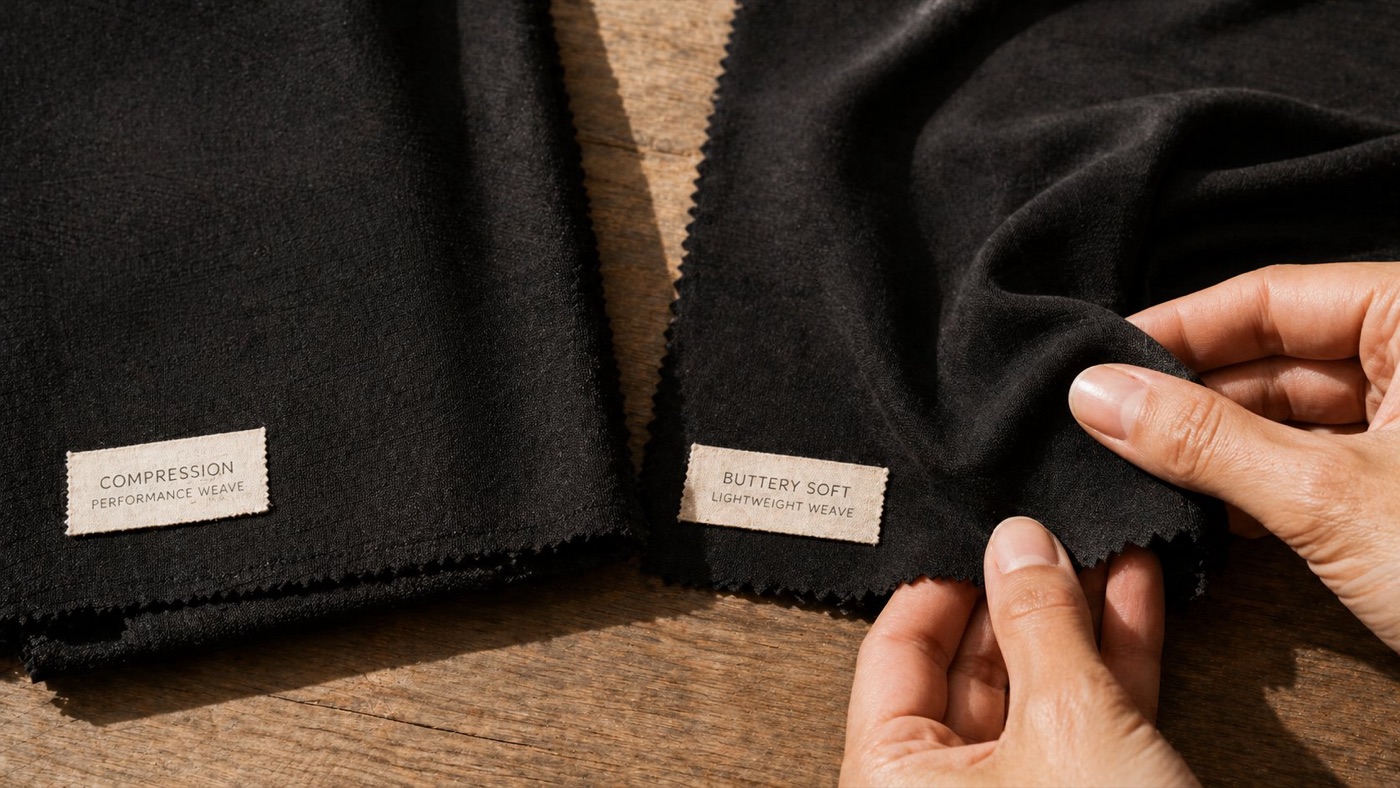
Use JINDOYO when you have reference products or style ideas, but still need help organizing fabric options, MOQ assumptions, logo choices and sample priorities for an activewear collection.
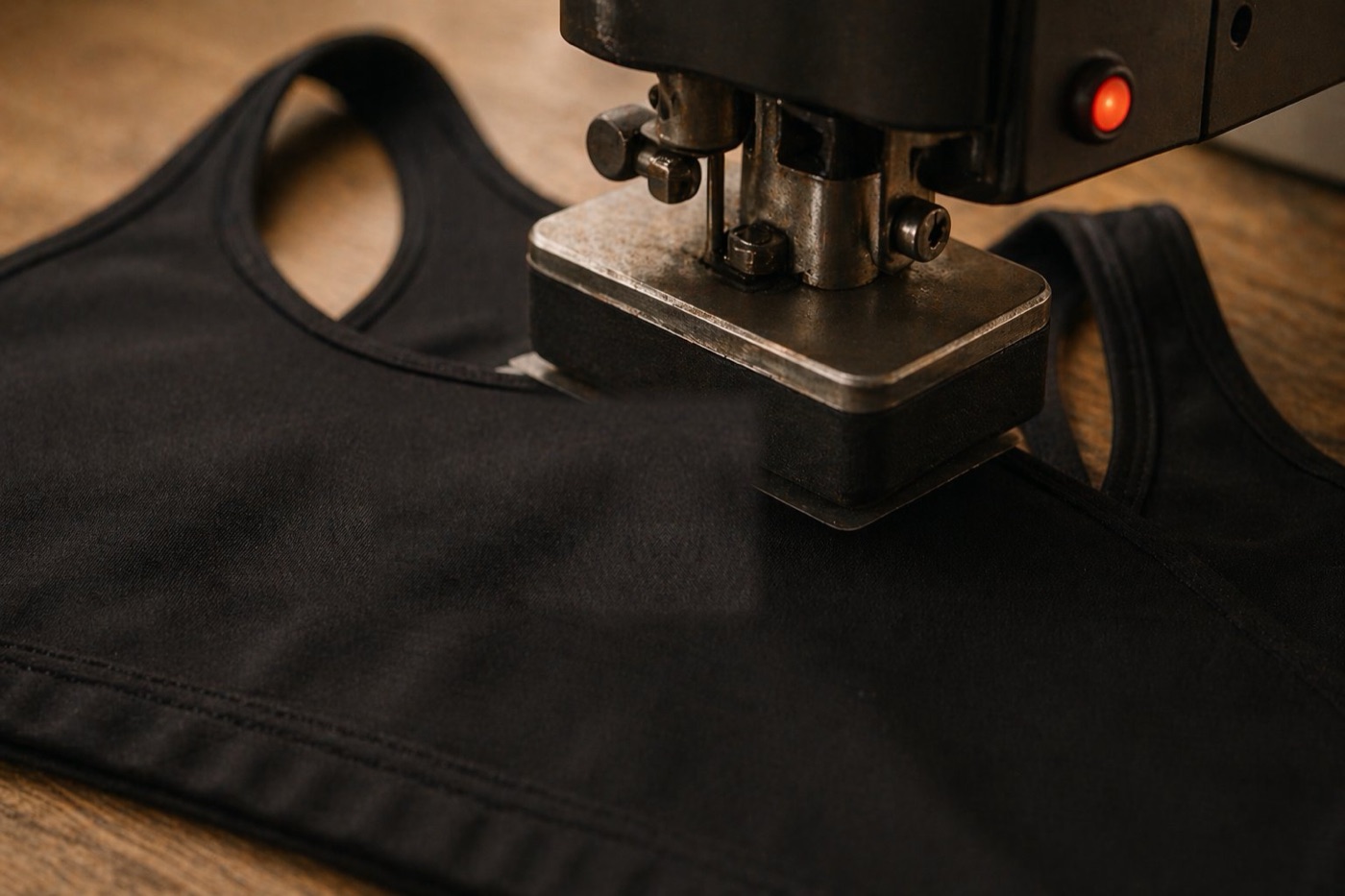
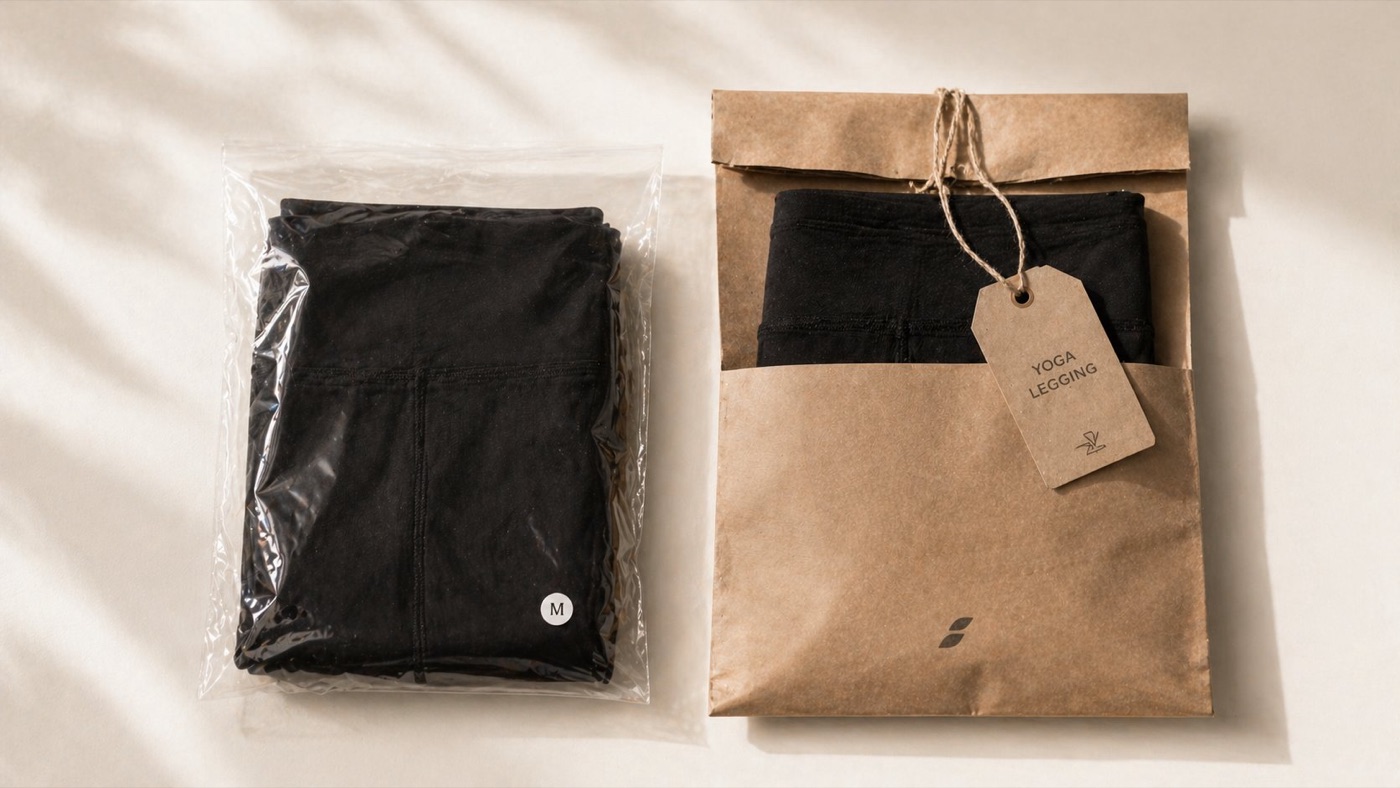
JINDOYO helps private label activewear buyers compare material choices in the context of the whole product: product category, logo placement, sample route, target MOQ, packing plan and final buyer positioning.
Start with the garment use case and target customer. A studio yoga legging, gym training set, lounge capsule and sculpting seamless item may need different fabric weight, touch, stretch and compression. JINDOYO can help narrow the route before you request samples.
Compare hand feel, color result, recovery, price level, durability and the garment category. Nylon blends often feel softer and more premium; polyester blends can be practical for cost, durability and some performance uses. The right answer depends on the product brief.
GSM is fabric weight, but it is not the whole quality answer. A buyer should also check opacity, stretch direction, knitting structure, compression feel and how the fabric behaves after repeated wear.
Yes. JINDOYO can help buyers organize color direction, lab dip expectations, logo method, labels, hang tags and packing assumptions so the material choice supports the final branded product.
Yes. JINDOYO is especially useful when a buyer has reference products, screenshots, target price and launch goals, but does not yet have a complete tech pack or fabric specification.